


Fall Prevention for Elderly at Home

A single fall can change everything. For many families, the first close call happens quietly - a missed step near the bed, a slip in the bathroom, or a moment of dizziness while getting up too fast. That is why fall prevention for elderly at home is not just about removing hazards. It is about protecting confidence, preserving independence, and creating a living environment that supports safety without making life feel clinical.
Families often assume a fall is caused by one obvious problem, such as a loose rug or poor balance. In reality, most falls happen because several smaller risks stack up at once. Lighting may be too dim. A medication may cause dizziness. Arthritis may make it harder to lift the feet. Memory changes may affect judgment. When you look at fall prevention through that wider lens, the path forward becomes clearer and more effective.
Why fall prevention for elderly at home needs a whole-home view
A safer home starts with the floor plan, but it should never stop there. Physical hazards matter, of course. Cluttered walkways, uneven thresholds, slick tile, and low furniture can all increase risk. Still, many families focus only on what they can see and miss the health factors that are just as important.
Strength changes, vision decline, neuropathy, dehydration, blood pressure shifts, and medication side effects all affect stability. So does rushing. Many older adults try to get to the bathroom quickly, answer the phone, or carry too many items at once because they do not want to feel dependent. That desire for independence deserves respect, but it also needs support.
The most effective prevention plan usually combines environmental changes, medical oversight, and daily routines that reduce strain. This is where a clinically grounded approach matters. A home can look tidy and still be unsafe if the person living there needs hands-on assistance with transfers, cueing for memory loss, or monitoring after a hospital stay.
Start with the rooms where falls happen most
Bathrooms are one of the highest-risk areas in any home. Water, hard surfaces, and quick position changes create a difficult combination. Grab bars near the toilet and inside the shower can provide stability, but placement matters. Towel bars are not a safe substitute because they are not designed to support body weight. A walk-in shower, non-slip flooring, a shower chair, and a handheld showerhead can make bathing much safer while helping an older adult maintain privacy and dignity.
Bedrooms deserve just as much attention. Many falls happen at night, when someone wakes up disoriented or hurries to the bathroom in low light. The bed should be easy to get in and out of, not too high and not too low. A clear path from bed to bathroom, nightlights, and a lamp within reach can reduce unnecessary risk. Shoes or slippers should have non-skid soles. Loose socks on smooth floors are a common and easily overlooked hazard.
Living rooms and hallways should allow for steady movement without obstacles. That may mean removing decorative furniture with sharp corners, securing cords against walls, and choosing chairs with arms that make standing easier. In the kitchen, commonly used items should be placed within easy reach so there is no need to climb, bend deeply, or stretch awkwardly.
The less visible risks families often miss
If your loved one has had one or more near-falls, the issue may not be the house alone. Medication is a major factor. Sedatives, sleep aids, some blood pressure medications, and even drugs taken exactly as prescribed can affect balance, alertness, and blood pressure. A medication review with a healthcare professional can reveal patterns that families may not connect to fall risk.
Vision and hearing matter too. Difficulty seeing edges, shadows, or changes in flooring can lead to missteps. Hearing loss can affect spatial awareness and balance more than many people realize. Foot pain, poorly fitting shoes, and swelling in the legs can also change the way a person walks.
Hydration and nutrition are another piece of the picture. Older adults may drink less to avoid frequent bathroom trips, but dehydration can lead to weakness, dizziness, confusion, and low blood pressure. Skipping meals can have a similar effect. Fall prevention works best when daily wellness is part of the conversation, not a separate concern.
Supporting mobility without taking away independence
One of the hardest parts of this process is emotional. Many seniors hear safety recommendations as a loss of control. Families may push for constant supervision, while an older loved one insists they are fine. Both reactions are understandable.
A better approach is to frame support around preserving independence, not limiting it. A walker that is properly fitted can increase freedom, not reduce it. A shower chair can make bathing feel less exhausting. A personal care routine with standby assistance may allow someone to remain in a home-like setting longer and with greater confidence.
This is where occupational therapy insight can be especially valuable. The right support should fit the individual, not force the individual to adapt to a generic checklist. A person with mild memory loss needs different safeguards than someone recovering from surgery or living with Parkinson's disease. Fall prevention plans should reflect the person's strength, cognition, habits, and preferred routines.
When memory changes raise the risk
For older adults living with dementia or other cognitive changes, falls often involve more than balance. Judgment, attention, and spatial awareness can all be affected. Someone may forget to use a walker, stand up too quickly, wander at night, or become confused in unfamiliar surroundings.
In these situations, cues and supervision matter as much as grab bars and lighting. Consistent routines, simplified room layouts, and close observation can reduce agitation and unsafe movement. It also helps to avoid overstimulating environments with too much furniture, patterned flooring, or unnecessary visual clutter.
Families sometimes try to manage these changes alone for as long as possible. That instinct comes from love, but it can become overwhelming when the risk increases day and night. If your loved one needs regular reminders, hands-on assistance, or monitoring after repeated near-falls, a higher level of support may be the safest next step.
Knowing when home needs more support
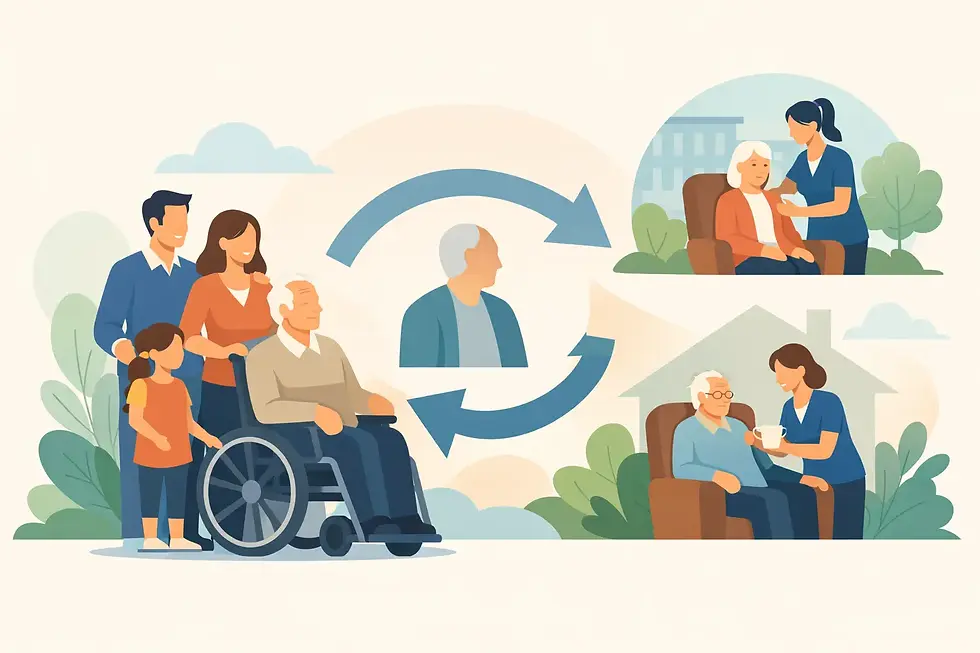
There is an important difference between making a home safer and expecting a home to meet needs it can no longer handle. If a loved one has frequent falls, cannot transfer safely, has increasing confusion, or needs help throughout the day and night, home modifications alone may not be enough.
This is often the point when families begin exploring more structured care. A residential care home can offer the comfort of a real home with the added benefit of oversight, assistance with daily activities, medication management, and a team that recognizes subtle changes before they become emergencies. In a nurse-supervised setting, fall prevention becomes part of daily life rather than a patchwork of precautions.
For families in Cypress and nearby communities, that can bring real peace of mind. At Serenity Springs Senior Living, fall prevention is woven into personalized care, from room setup and mobility support to medication oversight and close wellness monitoring. The goal is not to restrict residents. It is to help them move through each day with greater safety, dignity, and confidence.
Practical steps you can take now
If you are worried about a parent or spouse, start by observing one full day of movement. Notice how they get out of bed, how they bathe, whether they steady themselves on furniture, and what happens when they feel rushed. Watch for fatigue in the late afternoon and confusion at night, because those patterns often reveal more than a quick walk across the room.
Then make a few meaningful changes instead of trying to fix everything at once. Improve lighting. Clear pathways. Replace unsafe rugs. Schedule a medication review. Encourage supportive footwear. If mobility seems uncertain, ask for a professional assessment rather than guessing which device or routine is best.
Most of all, trust what you are seeing. Families often sense that something is off before they can clearly explain it. Maybe your loved one is holding onto counters more often. Maybe they are sitting down sooner during daily tasks. Maybe they are suddenly reluctant to shower alone. Those are not small details. They are signs that the body or mind is asking for more support.
A safe home should do more than prevent injury. It should help an older adult feel calm, capable, and cared for. When fall prevention is approached with both compassion and clinical insight, safety does not have to come at the expense of comfort. It can feel like what it should have been all along - thoughtful support that protects the life your loved one is still living.


Comments