


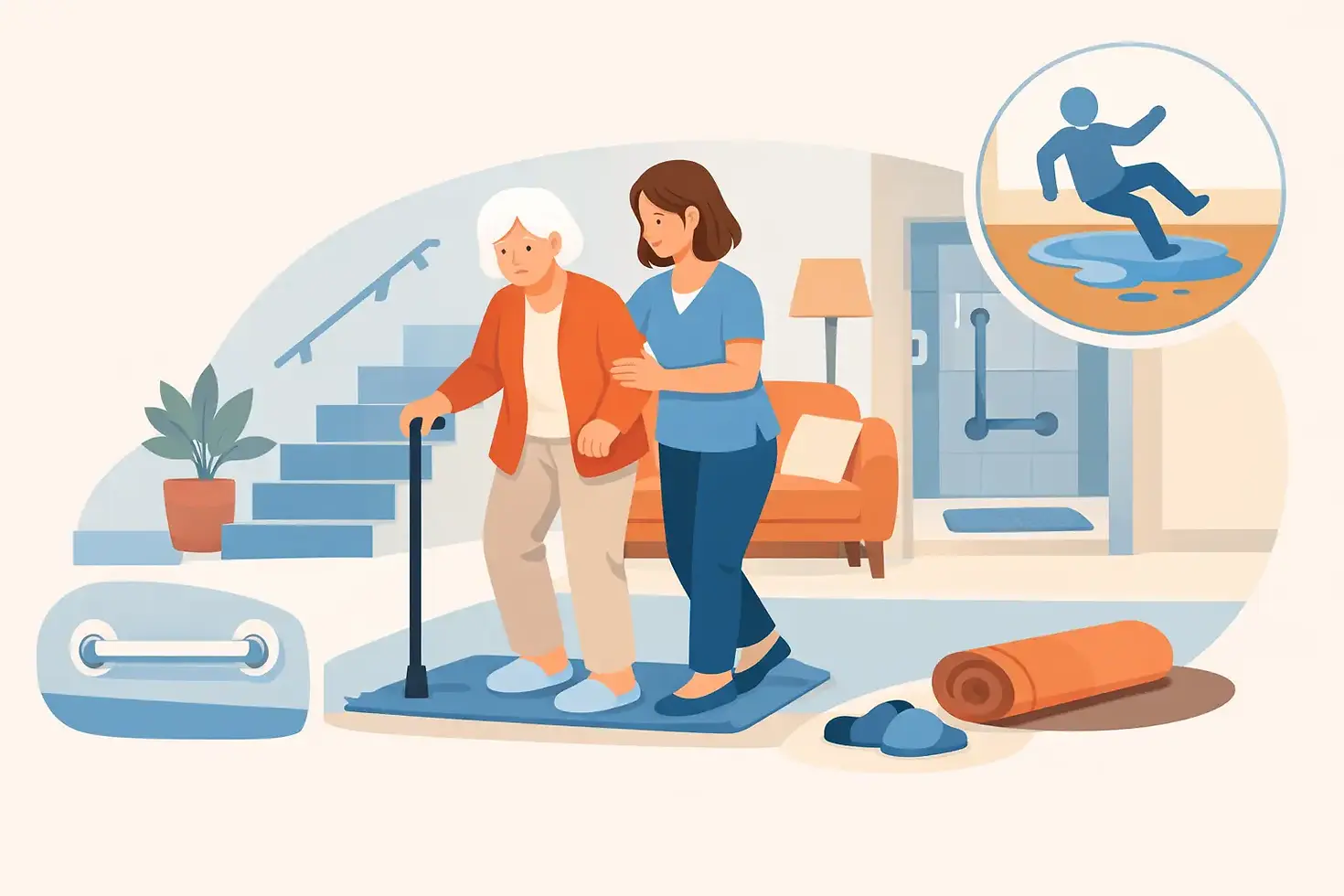
Fall Risk Reduction for Seniors at Home
- Serenity Springs Senior Living
- Jun 4
- 5 min read

A single fall can change everything for an older adult. Families often notice the warning signs before a serious injury happens - a loved one starts holding onto furniture, hesitates at the bathroom threshold, avoids the stairs, or seems more unsteady after a medication change. That is why fall risk reduction for seniors is not just about preventing accidents. It is about protecting confidence, mobility, and the ability to enjoy daily life with dignity.
At a clinical level, falls rarely come from one cause alone. Most happen when several smaller issues overlap, such as muscle weakness, poor lighting, dehydration, unsafe footwear, medication side effects, or cognitive decline. For families, that can feel overwhelming. The good news is that many of these risks can be identified early and reduced with the right support, the right environment, and close attention to daily patterns.
Why fall risk reduction for seniors requires a full-picture approach
It is tempting to think of fall prevention as buying a grab bar or a walker and moving on. Those tools matter, but they work best when they are part of a broader care plan. A senior who is physically weak may need strengthening. A senior with memory loss may forget to use mobility aids. Someone recovering from illness may be at higher risk for a few weeks even if they were steady before.
This is where families often benefit from clinically informed guidance. A thoughtful fall prevention plan looks at balance, transfers, medications, vision, footwear, hydration, continence, pain, and the layout of the living space. It also considers emotional factors. Many older adults become less active after a near-fall because they are afraid. Unfortunately, less movement can lead to more weakness, which increases risk over time.
A safer outcome usually comes from balancing protection with independence. Too much restriction can feel discouraging. Too little oversight can leave gaps that become dangerous. The right answer depends on the senior, their health conditions, and how much support is available throughout the day and night.
The most common fall risks families should watch for
Changes in walking are often one of the earliest clues. If your loved one has started shuffling, taking shorter steps, moving more slowly, or needing to push up hard from a chair, it is worth paying attention. These shifts may reflect weakness, joint pain, neurological changes, or fear of falling.
Bathroom routines are another major area of concern. Many falls happen when a senior is rushing to the toilet, getting up during the night, or stepping in and out of the shower. Wet surfaces, poor lighting, and the lack of steady support can turn a routine task into a dangerous one very quickly.
Medication is a frequent but overlooked factor. Sedatives, sleep aids, blood pressure medications, diabetes medications, and even some over-the-counter products can affect alertness, balance, or blood sugar. Sometimes the issue is not one medication but the interaction between several. If falls or dizziness start after a new prescription or dosage change, that deserves prompt review.
Cognitive decline also changes the picture. A person living with dementia may stand up without waiting for assistance, forget safety instructions, or misjudge distances. In those cases, fall prevention is not just environmental. It requires supervision, consistency, and caregivers who understand behavior patterns as well as physical risk.
How to improve fall risk reduction for seniors in daily life
The home should support movement, not fight against it. Clear walkways, stable furniture, non-slip surfaces, and good lighting are the basics, but details matter. A rug that curls at the edge, a favorite chair that sits too low, or a dark hallway to the bathroom can be enough to trigger a fall.
Footwear deserves more attention than it usually gets. Loose slippers, slick soles, and backless shoes are common problems. Supportive, well-fitting shoes with non-slip bottoms are often a simple improvement. So are clothing choices that do not drag or catch underfoot.
Strength and balance work can make a meaningful difference when it is appropriate for the person. That may mean formal therapy, guided exercises, or simply a more intentional walking routine. The key is consistency. A frail older adult will not benefit from a plan that is too ambitious to sustain.
Hydration and nutrition matter more than many families realize. Dehydration can contribute to dizziness, weakness, confusion, and low blood pressure. Poor nutrition can accelerate muscle loss and fatigue. If a loved one has become less steady, it is worth asking whether they are eating well, drinking enough, and getting the support they need at meals.
When a higher level of supervision becomes the safer choice
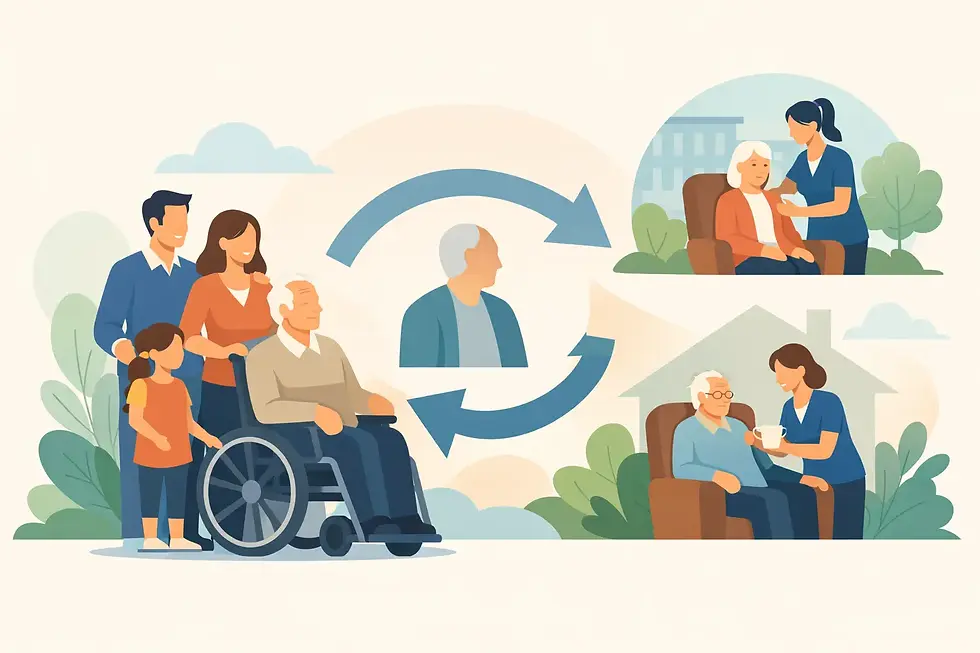
There is a point where home modifications alone may no longer be enough. If a loved one is falling repeatedly, forgetting to ask for help, wandering at night, or needing hands-on support with transfers, the real issue may be supervision rather than equipment. This is often a difficult shift for families because they want to preserve normalcy. Still, safety can decline quickly when an older adult has changing medical or cognitive needs.
A smaller, nurse-supervised residential setting can help reduce risk in ways that are difficult to replicate at home. Regular observation, medication management, assistance with bathing and toileting, and help with movement throughout the day all matter. So does the pace of care. In a more intimate environment, caregivers are often better able to notice subtle changes before they become emergencies.
For seniors recovering after a hospitalization, the risk can be especially high. They may be weaker than usual, adjusting to new medications, or trying to regain confidence after illness or surgery. During that window, close oversight and a tailored support plan can prevent setbacks that lead to another hospital stay.
Fall risk reduction for seniors with memory loss
Memory care changes fall prevention in important ways. A resident with dementia may not remember physical limitations from one hour to the next. They may attempt to stand without assistance, become disoriented in unfamiliar spaces, or resist devices that are meant to help. This means the best approach is usually simple, calm, and highly consistent.
Predictable routines often lower risk because they reduce confusion. So does a setting with fewer environmental distractions and caregivers who know the resident well. Personalized care matters here. One senior may need cueing and reassurance. Another may need hands-on help with every transfer. There is no one-size-fits-all answer.
Families sometimes worry that more supervision will reduce dignity. In reality, the right support can preserve dignity by preventing the injuries, fear, and loss of confidence that often follow a fall. At Serenity Springs Senior Living, this is one reason nurse-led oversight and occupational therapy-informed care can make such a meaningful difference for residents and their families.
What families should ask when evaluating care options
If you are comparing support at home, assisted living, or a residential care home, ask specific questions about fall prevention. How are changes in mobility identified? Who reviews medications? How often are residents observed? What happens at night when many falls occur? How are bathrooms, transfers, and post-hospital recovery handled?
It is also wise to ask how the care team balances safety with independence. A strong provider should be able to explain how they personalize support rather than relying on generic routines. Fall prevention works best when it is proactive, not reactive.
The setting itself also matters. A large community may offer many amenities, but some families prefer a quieter home-like environment where staff know each resident closely and can respond quickly to small changes. That level of familiarity can be reassuring when fall risk is a daily concern.
If your loved one has become less steady, more fearful, or more dependent with everyday movement, trust what you are seeing. Falls are often preceded by smaller warning signs that deserve attention. Acting early does not mean giving up independence. It means protecting it with the right level of care, at the right time, in the right setting.


Comments