


What Makes a Dementia Friendly Senior Home?

A loved one with memory loss may still recognize comfort before they recognize a name. The feel of a quiet room, the rhythm of familiar routines, and the calm voice of a consistent caregiver can shape the entire day. That is why choosing a dementia friendly senior home is not simply about finding supervision. It is about finding a setting that protects safety while preserving dignity, identity, and a sense of ease.
For many families, the hardest part is that memory decline rarely follows a neat timeline. One month, your parent may need reminders to take medication. A few months later, you may notice wandering, confusion at sundown, trouble with bathing, or changes in appetite. What worked at home can stop working quickly, especially when care is being coordinated by exhausted family members trying to balance jobs, children, and constant worry.
What a dementia friendly senior home really means
A dementia friendly senior home is designed around the way cognitive changes affect daily life. That includes the physical environment, caregiver training, communication style, meal support, activity planning, and response to behaviors that may come from fear or confusion rather than intent.
In practice, this means the home should feel calm and predictable. Residents benefit from clear visual cues, low clutter, easy-to-navigate spaces, and routines that reduce unnecessary stress. A large, busy setting can be overstimulating for some people with dementia, while an intimate residential care home may feel more grounding and manageable.
It also means care is personalized. Dementia does not affect every resident in the same way. Some need more cueing and redirection. Others need hands-on support with dressing, toileting, or eating. A quality home adjusts the care plan as needs change rather than forcing the resident to fit a rigid model.
Safety matters, but so does emotional comfort
Families often begin their search after a safety scare - a missed medication, a fall, a stove left on, or a loved one leaving the house alone. Those concerns are real, and any dementia care setting should have strong safeguards in place. But a home that feels secure without feeling restrictive is the better standard.
That balance comes from thoughtful oversight. Staff should understand fall prevention, medication management, transfer assistance, and changes in behavior that may signal pain, infection, dehydration, or worsening confusion. Non-invasive monitoring, close observation, and nurse-supervised care can add a layer of protection that families simply cannot replicate on their own around the clock.
At the same time, emotional comfort cannot be treated as secondary. Residents with dementia often respond deeply to tone, consistency, and relationship-based care. A gentle approach during bathing, patient redirection during agitation, and familiar caregivers who know the resident's preferences can reduce distress far more effectively than a purely task-based routine.
The environment should support memory, not fight it
One of the clearest signs of a dementia friendly senior home is that the environment helps residents succeed. Good care is not only about what staff do. It is also about removing obstacles that create confusion.
Simple layouts tend to work better than long hallways and crowded common areas. Good lighting reduces shadows that can feel disorienting. Minimal noise can lower agitation, especially in the late afternoon and evening when sundowning often becomes more noticeable. Personal belongings, family photos, and favorite blankets can make a room feel recognizable and reassuring.
Meals are another part of the environment that families sometimes overlook. Residents with dementia may struggle with hunger cues, utensil use, or distraction during mealtimes. A calm dining experience, the right level of assistance, and appealing chef-prepared meals can improve both nutrition and quality of life. Small details matter here. So does patience.
Why staffing is often the deciding factor
A beautiful home does not guarantee excellent dementia care. The quality of staff supervision, clinical oversight, and caregiver consistency often matters more than decor or amenities.
Families should look closely at who is leading care and how often that leadership is present. In a dementia setting, changes can happen fast. A resident who was steady on their feet last week may suddenly become a high fall risk. Someone who ate well yesterday may refuse meals today. Nurse-led oversight helps identify those shifts early and adjust care before a small concern becomes a crisis.
Training also matters. Dementia care requires more than kindness. Caregivers need to know how to communicate with someone who is frightened or confused, how to redirect without escalating, and how to provide support with activities of daily living in a way that protects dignity. Clinically grounded leadership, especially when paired with occupational therapy insight, can be especially valuable in supporting mobility, function, and independence for as long as possible.
This is one reason many families prefer a smaller residential setting over a large facility. In a boutique home environment, staff often know each resident's habits, triggers, routines, and personality more intimately. That familiarity can lead to better care and fewer distressing moments.
How to recognize a good fit for your loved one
Not every dementia friendly senior home is the right fit for every family. The best choice depends on stage of dementia, medical complexity, personality, mobility, and what kind of environment helps your loved one feel settled.
Some residents do well in an active community with many social options. Others become overwhelmed by too much noise and too many unfamiliar faces. If your loved one is easily overstimulated, a quiet residential care home with a more personal rhythm may be a better match.
It is also worth asking how the home handles the full picture of daily care. If your loved one needs help with bathing, dressing, incontinence care, medication administration, mobility support, or redirection during anxious periods, those services should be clearly included in the plan. Families should not have to guess what happens when needs increase.
Transparent pricing is part of that trust. Dementia care decisions are emotional enough without surprise fees adding another layer of stress. A clear, all-inclusive model can help families plan with confidence and focus on the care itself.
Questions to ask when touring a dementia friendly senior home
A tour should tell you more than whether the space is clean and attractive. It should help you understand how care actually feels day to day.
Ask who supervises care after hours, how medications are managed, and how staff respond to wandering, resistance to care, or sudden changes in condition. Ask how often caregivers are present in common areas and whether the same team members regularly care for your loved one. Consistency is not a luxury in memory care. It can directly affect behavior, comfort, and trust.
You should also ask about routines. Is there a predictable daily rhythm? Are meals adapted for residents who need more support? How are activities handled for those with limited attention span or later-stage dementia? A good answer will sound personalized, not generic.
If hospice support or respite care may become relevant, ask that too. Families often need solutions that can adapt over time. A home that can support changing care needs without forcing another move may offer meaningful stability.
For families in Cypress and nearby communities, Serenity Springs Senior Living reflects what many are looking for in this stage of care - a warm, home-like setting with 24/7 nurse-supervised support, personalized attention, and the kind of close oversight that brings peace of mind.
When home is no longer the safest option
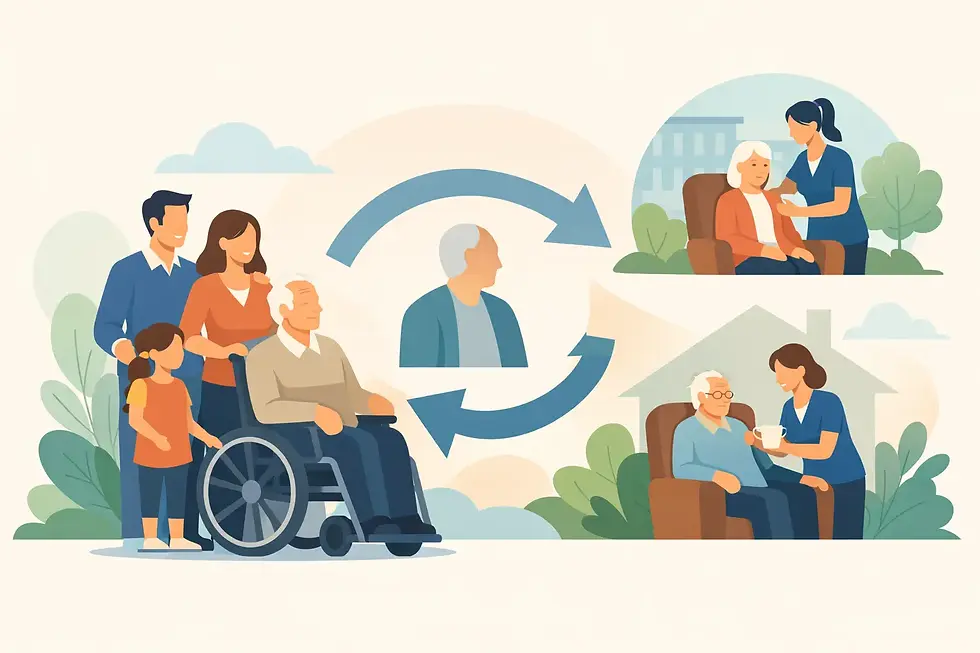
Many families carry guilt when they begin this search. They worry that moving a parent or spouse means giving up. In most cases, it means responding with love to a level of need that has outgrown what one household can safely provide.
If caregiving has become a cycle of interrupted sleep, repeated falls, medication concerns, missed meals, or constant supervision, a higher level of support may protect everyone involved. The goal is not to take independence away. The goal is to preserve as much of it as possible within a setting built for safety, routine, and compassionate care.
A dementia friendly senior home should help your loved one feel less fearful, not more managed. It should give families clear communication, professional oversight, and confidence that someone is always paying attention. And on the hardest days, it should still feel like care is being given by people who see the person first, not just the diagnosis.
When you walk into the right home, that difference is usually felt before it is explained.


Comments