


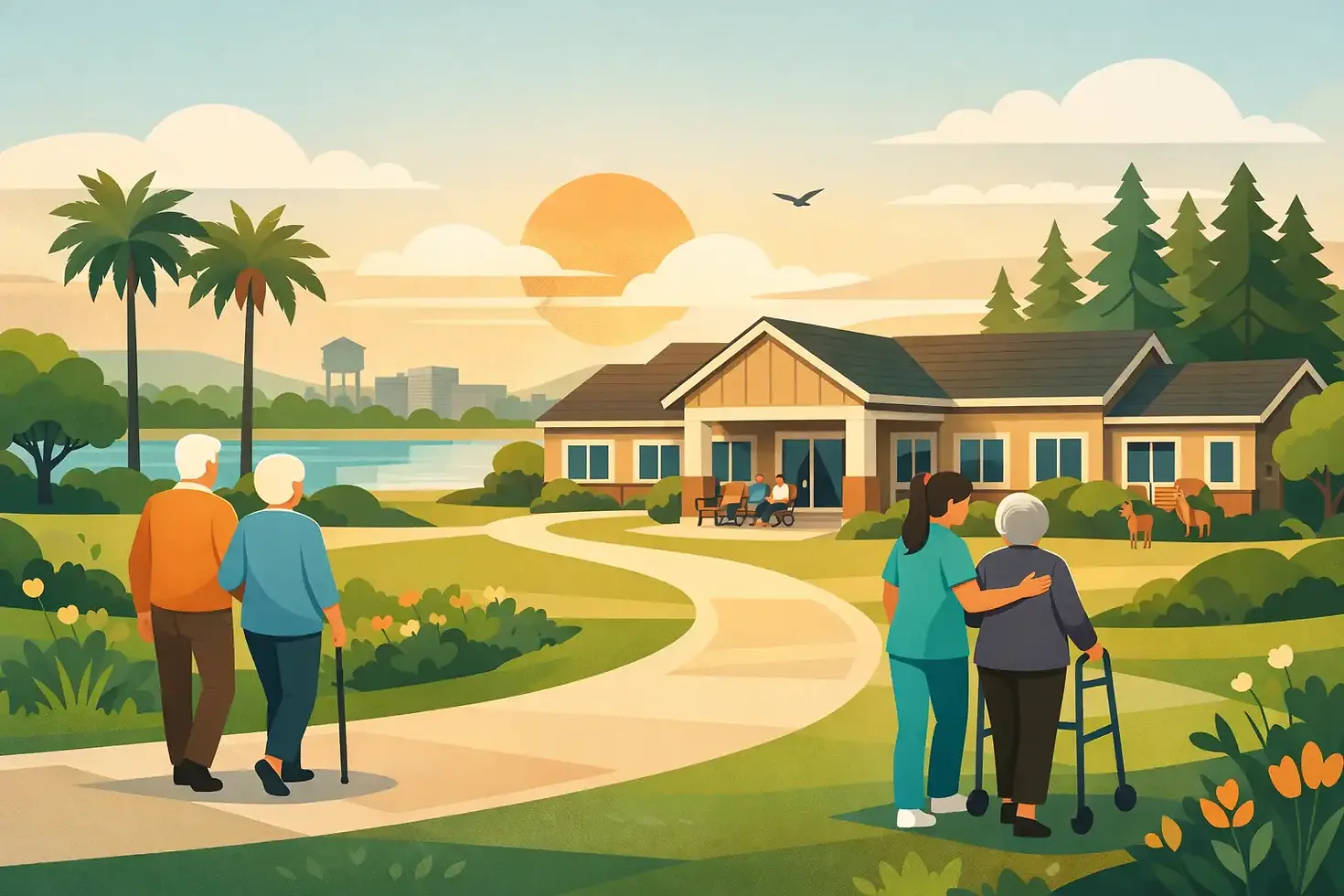
Residential Assisted Living Cypress TX
- Serenity Springs Senior Living
- Apr 29
- 5 min read

When a parent starts needing help with medications, bathing, mobility, or memory support, the search becomes personal very quickly. Families looking for residential assisted living Cypress TX are usually not just comparing amenities - they are trying to find a place where their loved one will be safe, known, and treated with genuine dignity every day.
That is why residential care homes deserve a closer look. In Cypress, many families begin by considering larger assisted living communities, but a smaller residential setting can feel very different. The scale is more intimate, the routines are more personal, and the care often feels less institutional. For seniors who do better in a calm, home-like environment, that difference can matter a great deal.
What makes residential assisted living in Cypress, TX different?
Residential assisted living is exactly what it sounds like - assisted living provided in a real home setting rather than on a large campus. Instead of long hallways, busy common areas, and a high resident count, the environment is quieter and more familiar. Residents typically receive support with activities of daily living, medication reminders or management, meals, mobility assistance, and supervision throughout the day and night.
For many families, the biggest advantage is not simply the home itself. It is the level of attention that can come with a smaller model. In a boutique setting, caregivers can often notice subtle changes sooner, whether that means appetite loss, increased confusion, changes in walking, or early signs of illness. Those small observations are often what help prevent bigger problems.
This model can also be a strong fit for older adults who feel overwhelmed in larger communities. Some seniors thrive with a packed calendar and a campus atmosphere. Others become anxious, withdrawn, or disoriented when everything feels too busy. It depends on personality, cognitive status, and health needs.
Who benefits most from residential assisted living Cypress TX?
Not every senior needs the same environment. Some older adults are mostly independent but need light support with medications and meals. Others need hands-on help with dressing, toileting, transfers, or memory-related redirection throughout the day. A residential assisted living home can work especially well when care needs are rising, but the family still wants the setting to feel warm and personal.
This is often the right conversation when a loved one has had a recent fall, is missing medications, is no longer eating well alone, or is struggling after a hospital stay. It is also common when a spouse has been providing care at home and is exhausted. Families carry a lot of guilt in these moments, but needing help does not mean you have failed. It often means the care needs have outgrown what one person can safely manage.
For seniors with early to moderate memory decline, the environment matters as much as the task-based care. A smaller residence with consistent routines and familiar faces can reduce confusion. That does not mean every residential home is equally equipped for memory support, though. Families should ask direct questions about supervision, redirection, nighttime monitoring, and staff experience with dementia-related behaviors.
What families should ask before choosing a home
The most reassuring tour is not always the one with the nicest furniture. Appearance matters, but clinical oversight, staffing consistency, and safety practices matter more. When you visit a residential assisted living home, pay attention to how the care is organized behind the scenes.
Ask who is supervising care and how often licensed professionals are involved. A nurse-led or nurse-supervised model can offer an added layer of confidence, especially for residents with multiple medications, mobility risks, chronic conditions, or changing health status. If the owners are clinically trained and hands-on, that can also make a meaningful difference in accountability and communication.
You will also want clarity on assistance with activities of daily living. Some homes can manage bathing, dressing, toileting, transfers, feeding support, and medication administration with ease. Others may present themselves as full-service but rely on outside providers for more complex needs. Neither approach is automatically wrong, but families deserve clear expectations before move-in.
Fall prevention is another area worth discussing in detail. Falls are one of the most common reasons families start looking for care, and not all homes approach prevention with the same level of seriousness. Ask about mobility support, bathroom assistance, overnight checks, non-invasive monitoring, and how the team handles a resident whose strength or balance is changing.
Pricing should be transparent too. A lower base rate can look attractive until add-on fees begin stacking up for personal care, incontinence support, medication management, transfers, or memory-related supervision. Many families prefer an all-inclusive pricing structure because it reduces surprises and makes budgeting easier during an already stressful transition.
The role of comfort, dignity, and daily life
Clinical quality matters, but so does the way a place feels at 7:00 in the morning, at lunch, or during a quiet evening. Seniors do not live in care plans alone. They live in relationships, routines, meals, conversations, and the feeling that they still have a life that belongs to them.
That is one reason private and semi-private room options matter. Some residents need more solitude and rest. Others do better with companionship nearby. There is no universal answer. The best fit depends on temperament, budget, sleep patterns, and cognitive needs.
Meals are another overlooked factor. Chef-prepared food sounds appealing, but the real question is whether residents are eating consistently and enjoying what is served. In a smaller setting, staff can often notice food preferences and appetite changes more quickly. That attention can support both nutrition and emotional well-being.
Dignity also shows up in everyday interactions. Is care offered respectfully, or rushed? Are residents spoken to like adults? Do families feel welcomed as partners? A quality home should preserve independence where possible while stepping in promptly where support is needed. That balance is not always easy, but it is one of the clearest markers of thoughtful care.
Why families in Cypress often prefer a boutique model
Cypress families are often looking for more than basic supervision. They want peace of mind, but they also want their loved one to feel comfortable, recognized, and cared for in a setting that does not feel cold or corporate. That is where a boutique residential model stands apart.
In a smaller home, communication is often more direct. Families are not trying to navigate layers of management to get an update. Questions about care, medication changes, appetite, sleep, or mood can often be answered by people who know the resident closely. That proximity can lower stress on both sides.
There is also a difference in atmosphere. A residential setting can feel calmer, especially for seniors who are easily overstimulated or who have started withdrawing in larger social environments. The home-like pace, familiar caregivers, and more individualized attention may support better adjustment after a move.
This is one reason some families in Cypress, Bridgeland, Towne Lake, Katy, and nearby communities choose homes such as Serenity Springs Senior Living. The appeal is not only comfort. It is the combination of 24/7 nurse-supervised care, personalized daily support, and a family-centered environment that feels both elevated and reassuring.
How to know when it is time
Many families wait for a dramatic event before making a decision. Sometimes that event is a fall, a hospitalization, wandering, medication mistakes, or caregiver burnout that can no longer be hidden. But often, the need was present long before the crisis.
If your loved one is becoming less safe at home, more isolated, less steady, or more dependent with daily tasks, it may be time to start touring now rather than later. The best decisions are usually made before the situation becomes urgent. That gives everyone more room to ask questions, compare options, and choose with care instead of panic.
There is no perfect moment, and there is rarely a choice that feels easy at first. But the right residential assisted living home can ease far more than logistics. It can restore routine, reduce risk, support health, and give both seniors and families a steadier sense of peace.
A good next step is simply to walk through the door, observe closely, and trust what you feel when warmth and clinical competence are truly present in the same place.



Comments